
If you are planning to study in the UK, you will need a reliable way to turn rials into pounds before you go, for your tuition fees and to show you have enough money for your visa. Because Iranian banks cannot send money to the UK directly, most students use a reputable exchange house with a lawful UK business account.
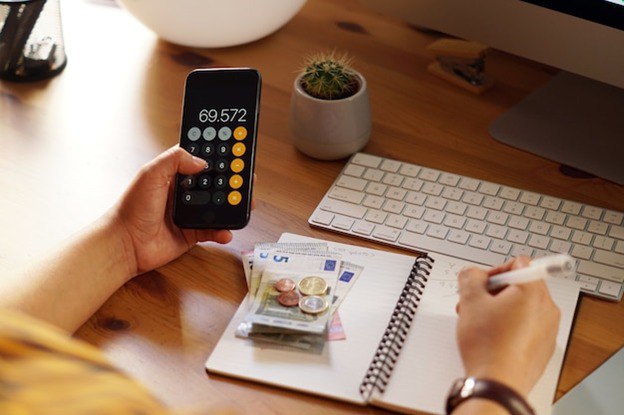
The UK has some of the world's best universities and strong career prospects, which makes it a popular destination for students from around the world. But studying as an international student is expensive, with costs often well above £20,000 a year, so most students need financial support. Moving money and getting "student pounds" is one of the most important things to sort out before you go. In this guide we look at what it costs to study in the UK, then explain student currency and how to get your money there safely.
How much does it cost international students to study in the UK?
International students pay much more than home students. Home students in England pay a capped fee (around £9,500 a year), but there is no cap for international students. Each university sets its own fees depending on the course, and more prestigious universities and courses that need expensive equipment usually cost more. As a rough guide:
- Undergraduate degrees: often from around £15,000 a year for classroom-based courses, rising above £30,000 at some universities.
- Postgraduate degrees: taught master's programmes typically cost from around £15,000 to over £35,000 a year, while MBAs and medicine can reach £60,000 or more.
Check the exact fee on your university's website, as fees are set per course and per year.
Proving you have enough money for your Student visa
To get a UK Student visa, you must also show that you have enough money to support yourself, unless you have already paid for it or are officially sponsored. Since January 2025, the required maintenance funds are £1,483 a month if you study in London and £1,136 a month outside London, for up to nine months. For a course of nine months or more in London, that means showing £13,347. You must also show any unpaid tuition fees for the first year. The money usually has to be held in your account (or your parents') for 28 consecutive days, so planning your transfer early matters.
Read more: 10 of the best universities in the UK
Ways to fund your studies in the UK
Self-funding and family support
If you can, you may fund all your costs privately. A large share of international students in the UK are fully supported by their families; the rest need other sources of funding.
Student loans
UK government student loans are generally not available to international students from countries such as Iran.
Scholarships
International students may be eligible for two main types of scholarship:
- Government scholarships: funded by the UK government, such as Chevening, or in partnership with other governments.
- University scholarships: offered by universities themselves or by organisations in partnership with them.
Private funding
Charitable trusts and private organisations sometimes offer grants or loans, usually under a contract setting out repayment terms.
Part-time work
International students on a degree-level Student visa can usually work up to 20 hours a week during term time. From April 2026, the National Minimum Wage is £10.85 an hour for 18 to 20-year-olds and the National Living Wage is £12.71 an hour for those aged 21 and over. Part-time work can help with living costs, but you cannot count future earnings towards your visa funds.
If you are bringing money from home, you need a suitable way to get it into your UK account. Banks can be slow and their exchange rate margins and fees expensive. A regulated exchange house is usually the better option for student transfers, with lower fees and tighter exchange rate margins than banks charge on one-off payments.

What is student currency (arz-e daneshjuyi)?
Student currency is foreign currency allocated at a government-approved rate to eligible, non-scholarship Iranian students studying abroad, mainly at master's and doctoral level. Once you receive it, you need a reputable exchange house to act as the intermediary and transfer it to a country such as the UK.
UK student pounds
"Student pounds" simply means student currency transferred to the UK. A reputable exchange converts your rials into pounds and pays them into your UK account or directly to your university. Sarafi Bartar London provides this service through a secure business account in London.
To convert your money into student pounds, the exchange first checks your identity documents and the source of the funds, then buys the pounds needed and exchanges them for your rial payment. Sourcing pounds can take time, because some currency sellers do not have, or will not provide, the identity documents an exchange needs. A reputable London-based exchange always checks the seller's identity in advance to avoid problems. In this respect, there is no difference between student and non-student pounds.
Read more: 6 of the top university subjects in the UK
Getting student pounds from a reputable exchange
Because there is no direct connection between Iranian and UK banks, students convert their money into pounds through currency exchange services. The exchange must have access to both currencies: it receives rials in Iran and pays pounds into your UK account from its official UK business account. If your pounds are paid in by a third party or a cash account, UK banks may become suspicious and freeze your account for a while. That is why we strongly recommend getting student pounds from a reputable exchange with a UK business account, which removes that risk.
Another important reason is what happens if your visa is refused or there is a problem with the sending account. If a visa is refused, a university usually refunds the payment to the account it came from. If you paid from a personal account that has since been closed or flagged, the money can be hard to recover. If the payment came from the exchange's official business account, the exchange can usually receive the refund and either pay it into your account or send it to the university again.
Requirements for receiving student currency from Iran
How does student currency differ from the free-market rate, and how do you get it? It is a set amount of foreign currency allocated each year at the official rate to students at UK universities. The usual requirements are:
- Your university must be recognised by Iran's Ministry of Science.
- You must have left Iran legally.
- You must not exceed the permitted study period (for example, no more than six years for a bachelor's degree, three years for a separate master's, eight years for an integrated master's and five years for a PhD).
- The gap between two levels of study must not exceed one year.
If you meet these conditions, the application process is usually as follows:
- Register on the NESHA system, the official platform for student currency applications.
- Log in to your profile and request a referral letter to the bank, confirming you are an approved student eligible for student currency for a set period. Complete the form carefully and submit your request.
- Your documents are reviewed and you are notified of the result by email or text. If your request is refused, you can fix the issues and apply again.
- Pay the small administrative fee to the Student Affairs Organisation before visiting the bank.
These rules and fees are set in Iran and can change, so check the latest requirements on the official system before applying.
Once you receive your student currency, transfer it to your UK account through a reputable exchange. Sarafi Bartar London, with a lawful business account in the UK, can transfer your student pounds to your UK account or directly to your university. For more information about student transfers at the best pound rate, contact our team at Sarafi Bartar London.